
Self-study
SKT 309
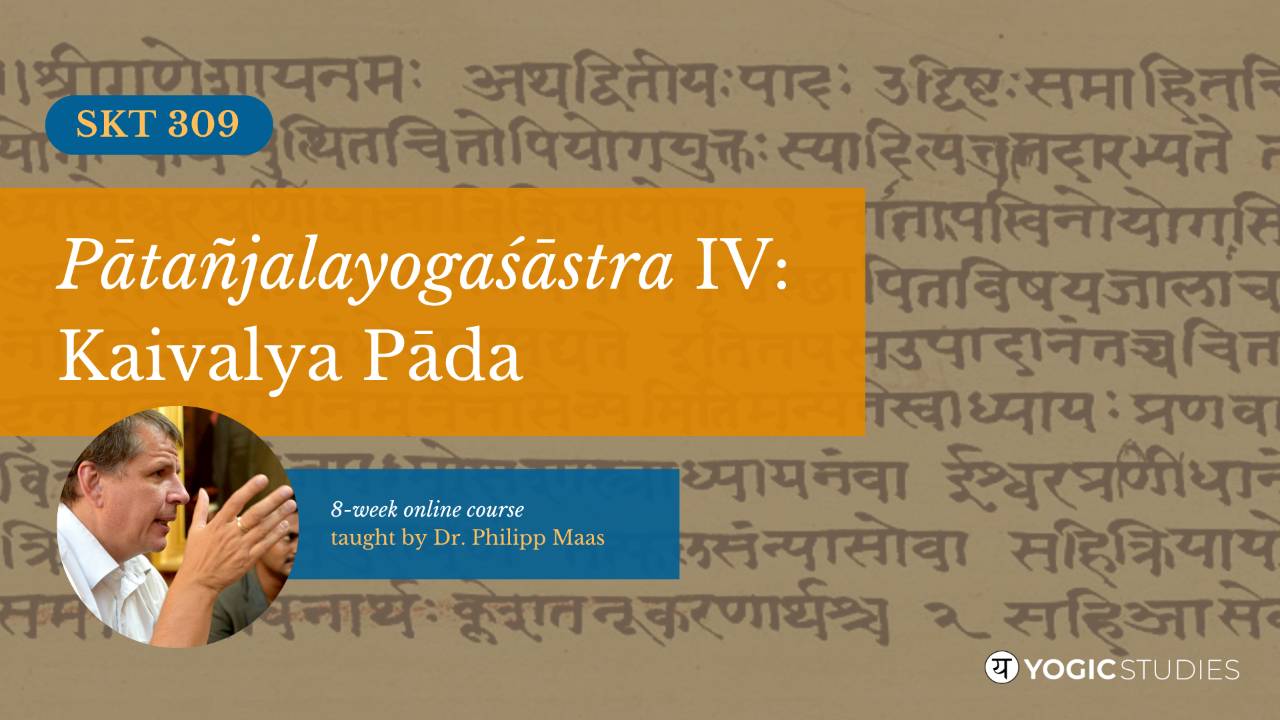
Pātañjalayogaśāstra IV: Kaivalya Pāda
- Dr. Philipp Maas
- On-demand
About the course
Course description
The Yogasūtra of Patañjali, a brief Sanskrit composition consisting of 195 more or less obscure sentences in Sanskrit, is frequently depicted as the foundation of Yoga philosophy. The work has been translated from its original Sanskrit into more than 40 languages over the last 150 years, and is the most widely received Sanskrit composition in the modern globalized world. It provides Yoga practitioners and philosophers in South Asia and beyond with inspiration and guidance concerning Yoga theory, philosophy, and practice.
The iconic status of the Yogasūtra in the modern world sharply contrasts with the state of academic research on this work and its original historical, cultural, religious, and philosophical contexts, which, even after 200 years, is still in its infancy. However, it has become evident that the Yogasūtra was composed around the year 400 CE, probably together with its oldest preserved commentary, the so-called Yogabhāṣya, by the author-redactor Patañjali. The sūtras and their original commentary, which have the common Sanskrit title Pātañjalayogaśāstra, i.e., “The Authoritative Exposition of Yoga by Patañjali,” teach how suffering in the cycle of transmigration can be overcome through a unique insight derived from yogic meditation.
For everybody interested in Yoga, Indian philosophy, and religion, the Pātañjalayogaśāstra is thus an eminent source of information that is ideally studied in its original Sanskrit.
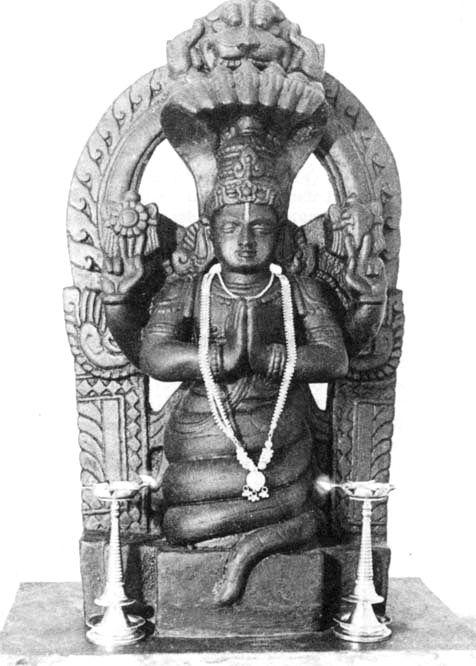
Kaivalya Pāda
SKT 309 offers the opportunity for all students with basic knowledge of Sanskrit to gain access to the Pātañjalayogaśāstra and the world of Indian Philosophy by reading and interpreting the fourth and final chapter of this work in the earliest so-far known text version under the guidance of Dr. Philipp A. Maas—an internationally renowned scholar who has published widely on the philosophy, meditations, and practice of Pātañjala Yoga as well as on the textual and reception history of the Pātañjalayogaśāstra.
Students will be provided with a PDF of the Sanskrit text—no outside text is required for purchase.
In this course, we will be reading the fourth and final chapter (Kaivalya Pāda) of the Pātañjalayogaśāstra. Like all great works of philosophy, the Pātañjalayogaśāstra discusses some of its most important and philosophically interesting topics for the very end. We will be informed about transmigration without rebirth, yogis’ magically creating numerous bodies and the implications of this for the accumulation of karma, the functioning of karma for ordinary humans and advanced yogis, the existence of past and future things, the refutation of rival philosophical views from Buddhism such as the idealistic school of Vijñānavāda, and finally, the established teaching of Sāṅkhya-Yoga, which is the basis for a cessation of suffering through spiritual liberation in autonomy (kaivalya). The chapter is thus of central importance for understanding Pātañjalayoga as an early Indian system of philosophy in various contexts.
Prerequisites
SKT 309 is designed independently of the courses on the first three chapters; students will benefit from this course even if they have not (yet) taken courses on one of the first three chapters.
We recommend students have 1-2 years of experience studying Sanskrit to get the most out of this course. However, you are welcome to try, and will not be turned away for lack of experience. While it is not required, students are encouraged to explore our courses on the first three chapters of the Pātañjalayogaśāstra, available now on-demand:
Course details
Course structure
Course structure
May 4 – June 24, 2026 (8 weeks; 1 week break May 25-27)
- 14 live class sessions (90 min each)
- Mondays & Wednesdays 10-11:30am Pacific Time (California)
- All live sessions will take place via Zoom and will be recorded for later viewing.
Students will receive
- 14 Live class sessions (90 min each)
- 5 YSACP Credits
- 21 Hours of CE credit with YA
- Sanskrit edition of the Pātañjalayogaśāstra (PDF)
- Additional Readings (PDFs)
- 7 Multiple Choice Quizzes
- Yogic Studies Certificate upon completion (PDF)
- Access to the private Yogic Studies Online Community Forum
Your instructor
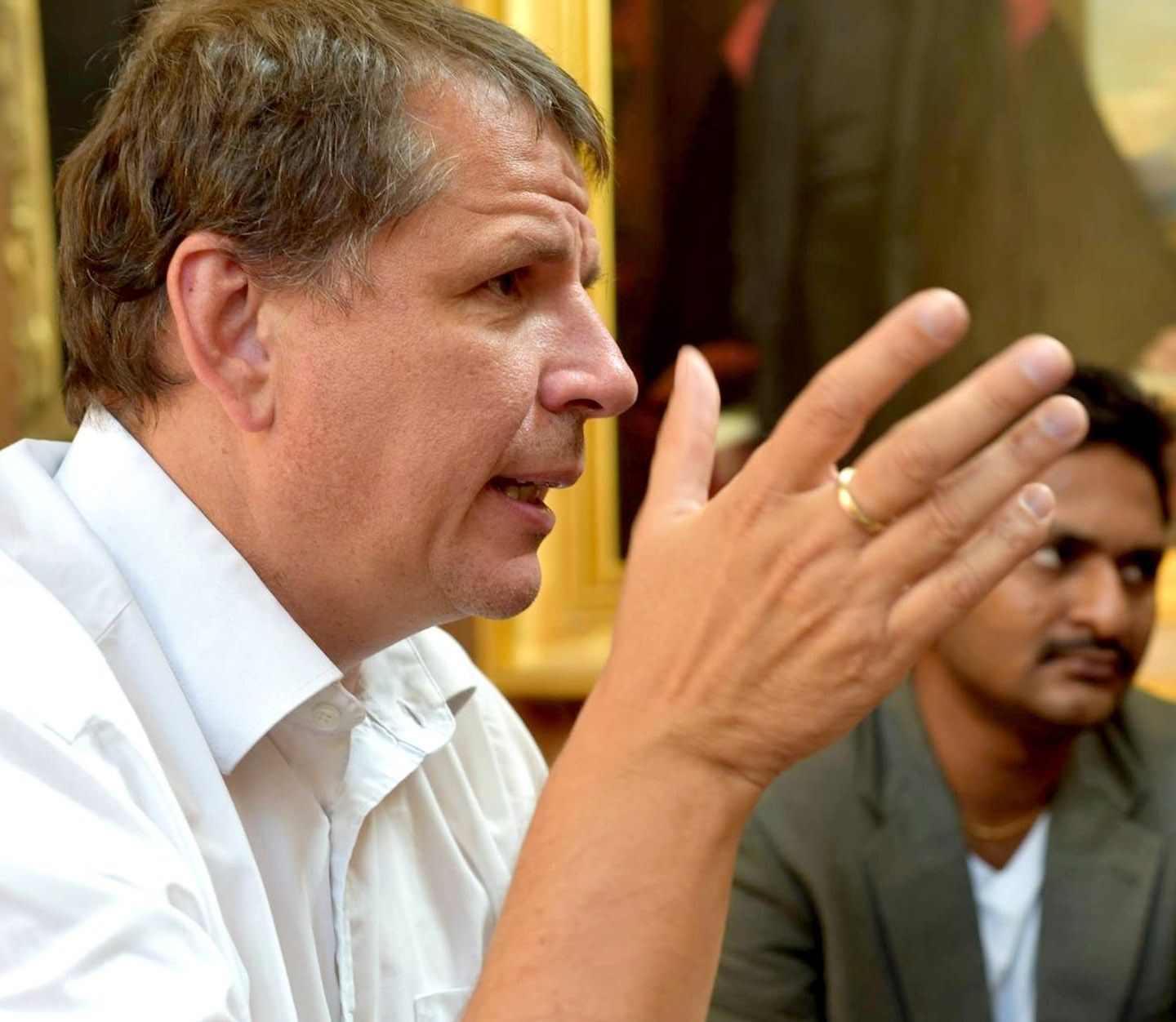
Dr. Philipp Maas
Research Associate, Universität Leipzig
Dr. Philipp Maas is currently a research associate at the Institute for Indology and Central Asian Studies, University of Leipzig in Germany, where he works on a digital critical edition of the Nyāyabhāṣya, a Sanskrit work on spiritual liberation through proper reasoning. Previously he had served as an assistant professor and postdoc researcher at the Department of South Asian, Tibetan and Buddhist Studies at the University of Vienna, the Austrian Academy of Sciences, and the University of Bonn Germany.
He received his M.A. (1997) and Dr. phil. (2004) degrees from the University of Bonn, where he had completed studies in Indology, Comparative Religious Studies, Tibetology and Philosophy. His first book (originally his PhD thesis) is the first critical edition of the first chapter (Samādhipāda) of the Pātañjala Yogaśāstra, i.e. the Yoga Sūtra of Patañjali together with the commentary called Yoga Bhāṣya. He has published extensively on classical Yoga and Sāṅkhya philosophy and meditation, Āyurveda, the relationship of Pātañjalayoga to Buddhism as well as on the textual tradition of the Pātañjalayogaśāstra. He is a member of the “Historical Sourcebooks on Classical Indian Thought” project, convened by Prof. Sheldon Pollock, to which he contributes with a monograph on the development of Yoga-related ideas in pre-modern South Asian intellectual history.
Enroll
Enrollment options
Pātañjalayogaśāstra Series
This course is part of a series of courses on the Pātañjalayogaśāstra taught by Dr. Philipp Maas. Students can sign up for any course individually, and are not required to take them in any particular order, or enroll in all four and save with the special bundle.


Yoga Alliance
Continuing Education credit
This course is eligible for 21 hours of Continuing Education credits for RYTs with Yoga Alliance.
Stay Informed
Sign up for the Yogic Studies mailing list to find out first about upcoming courses, podcast episodes, promotions, events, and the latest research delivered straight to your inbox.